Introduction to Fluid Power Systems
Fluid power systems serve as essential technologies in modern machinery, facilitating the transfer of energy through the use of hydraulic or pneumatic fluids. By harnessing the principles of fluid mechanics, these systems provide the power that drives a myriad of applications across various industries including manufacturing, construction, and agriculture. The versatility and efficiency of fluid power systems allow for precise motions and control, making them indispensable in complex operations.
What Are Fluid Power Systems?
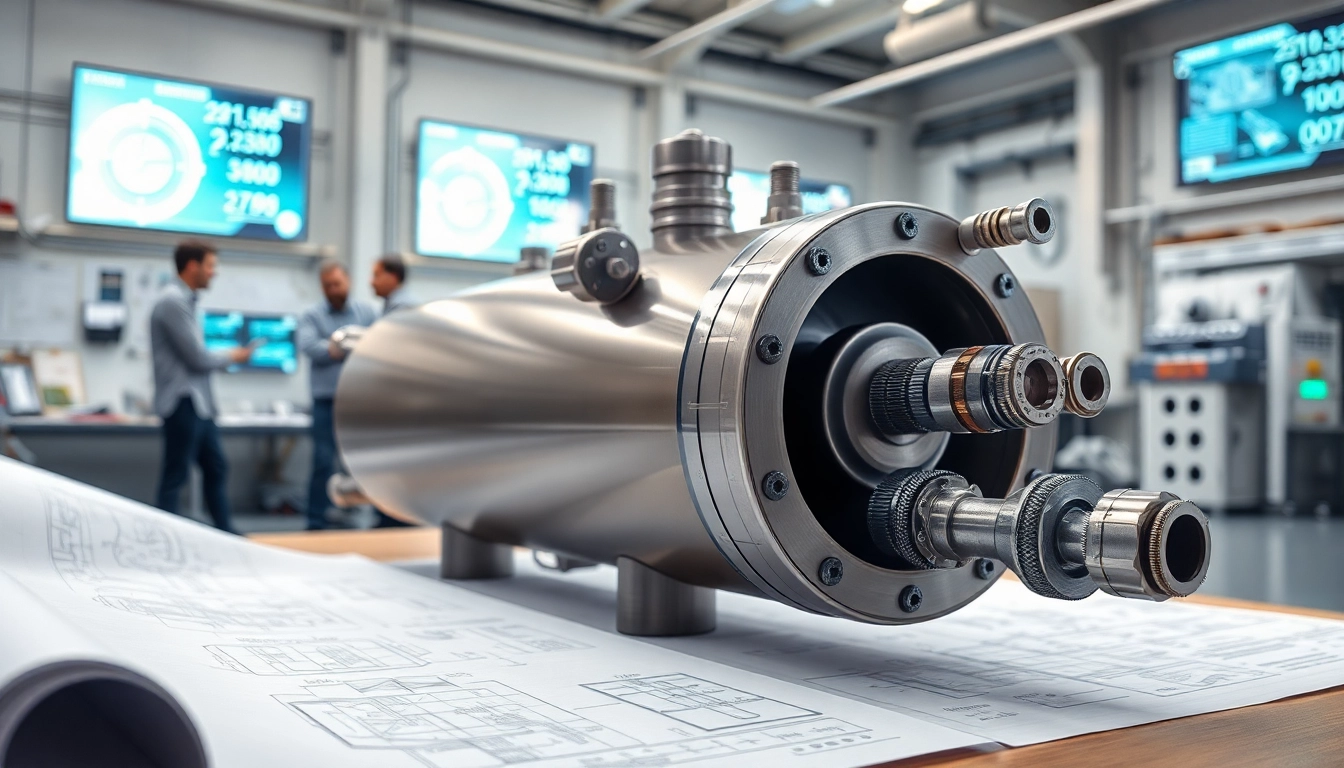
Fluid power systems utilize the properties of fluid to generate force and motion. This involves using liquids or gases in pressurized states to perform work. The fundamental components include pumps, valves, actuators, and reservoirs, which work together to create controlled mechanical movement. In hydraulic systems, incompressible liquids drive pistons, while pneumatic systems rely on compressible gases, each with unique advantages based on the specific application.
The Principles of Fluid Mechanics
Fluid mechanics is the backbone of fluid power systems. Key principles include Pascal's Law, which states that pressure applied to a confined fluid is transmitted uniformly in all directions. Additionally, Bernoulli's Principle explains how fluid velocity increases as pressure decreases. Understanding these principles allows engineers to design effective systems that can optimize performance and reliability.
Applications Across Industries
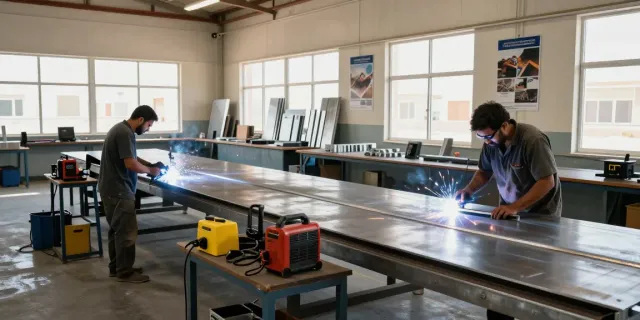
Fluid power systems find applications across various sectors. In manufacturing, they are used in assembly lines to automate tasks. In construction, excavators and cranes utilize hydraulic systems for lifting and moving heavy materials. The automotive industry employs these systems in braking and steering controls. Agriculture relies on fluid power for machinery operation, enhancing productivity and efficiency in farming practices.
Key Components of Fluid Power Systems
Pumps: The Heart of Fluid Power
Pumps are vital in fluid power systems as they convert mechanical energy into hydraulic energy, generating fluid flow. Types of pumps include gear, vane, and piston pumps, each suitable for different applications. A proper selection of pump type is crucial as it can impact overall system efficiency and performance. Pump efficiency, pressure ratings, and flow rates must align with system requirements to ensure optimal operation.
Valves: Controlling Flow and Pressure
Valves play a critical role in controlling the flow and pressure within fluid power systems. They can start, stop, and redirect fluid flow as needed. Various types, including directional control valves, pressure relief valves, and flow control valves, are utilized. Selecting the right valve ensures that systems operate safely, effectively, and in compliance with specific operational requirements.
Hydraulic Cylinders: The Power Source
Hydraulic cylinders are responsible for converting hydraulic energy back into mechanical energy. They act as actuators, providing linear motion to various machines. Key considerations for selecting hydraulic cylinders include the required stroke length, load capacity, and operating pressure. Proper cylinder sizing is essential for the overall efficiency and performance of fluid power systems.
Design Considerations for Fluid Power Systems
Choosing the Right Components
The success of a fluid power system largely depends on the selection of compatible and durable components. Engineers must evaluate the system's intended application, the types of fluids used, and operating conditions. Material compatibility, size, and performance specifications of pumps, valves, and cylinders are imperative to avoid costly failures and ensure longevity of the system.
Configuring for Efficiency
Efficient design is key in maximizing the performance of fluid power systems. System configuration includes appropriate tubing layout to minimize pressure drops, strategic placement of components to reduce the length of hydraulic lines, and optimizing fluid viscosity for reduced friction. Regular performance analysis and system adjustments can lead to continuous improvement in operational efficiency.
Safety and Maintenance Protocols
Safety is paramount when dealing with fluid power systems, as high pressures and potential leaks pose risks. Instituting regular maintenance protocols can safeguard equipment and personnel. This includes routine inspections of hoses and fittings, monitoring fluid levels, and ensuring cleanliness of hydraulic fluids to prevent contamination. Establishing a proactive maintenance plan can prevent unexpected downtimes and costly repairs.
Common Challenges in Fluid Power Systems
Leak Management Techniques
Leaks in fluid power systems can result in inefficiency and safety hazards. Employing leak detection techniques such as visual inspections and pressure testing helps identify potential issues early. Utilizing high-quality seals and fittings, performing regular system checks, and adhering to maintenance schedules can mitigate the risk of leaks, ensuring operational continuity.
Pressure Loss Issues
Pressure loss can severely affect system performance and reliability. Identifying the causes, such as excessive bends in tubing, improperly sized components, or obstructions in the system, is crucial. Utilizing pressure gauges at strategic points can help monitor and diagnose pressure drops effectively. Addressing these issues can significantly improve the efficiency of fluid power systems.
System Compatibility and Upgrades
As technology evolves, ensuring compatibility with existing systems can pose challenges. Upgrading components or integrating new systems may require detailed assessments of performance metrics and operational requirements. Employing universal design concepts and ensuring standardization in component selection can simplify this process, enhancing the longevity and flexibility of fluid power systems.
Future Trends in Fluid Power Systems
Smart Technologies Integration
The integration of smart technologies within fluid power systems is set to revolutionize the industry. Smart sensors and IoT devices enable real-time monitoring and performance optimization. Data analytics can help predict failures, automate maintenance schedules, and enhance overall efficiency. This shift towards digitalization leads to smarter and more adaptive systems tailored to specific operational demands.
Sustainability in Fluid Power
As environmental concerns rise, sustainability within fluid power systems is gaining traction. Emphasizing energy-efficient designs and using biodegradable fluids are among the approaches being adopted. Companies are investing in research to develop sustainable materials and solutions that minimize waste and energy consumption, paving the way for a greener future in fluid power applications.
Emerging Research and Innovations
Research in fluid power systems is constantly evolving, focusing on enhancing efficiency and reducing environmental impact. Innovations such as hybrid hydraulic systems, which combine hydraulic and electric power, promise improved performance and versatility. Continuous innovation in materials and technology ensures that fluid power systems remain at the forefront of engineering advancements.
FAQs
What are fluid power systems used for?
Fluid power systems are used to transmit power through fluid under pressure, commonly applied in machinery, construction, and manufacturing.
What components are involved in fluid power systems?
Key components include pumps, valves, cylinders, and hoses that work together to control and utilize hydraulic energy effectively.
How to maintain fluid power systems?
Regular maintenance includes checking seals, monitoring fluid levels, and ensuring the cleanliness of hydraulic fluids to prevent leaks and failures.
What industries use fluid power systems?
Fluid power systems are widely used in manufacturing, automotive, aerospace, construction, and agriculture for their effectiveness and reliability.
How do fluid power systems improve efficiency?
Fluid power systems offer high power-to-weight ratios, precise control, and can be easily automated, leading to increased operational efficiency.
Contact Information
Call Us: 780.452.2876Email: [email protected]Address: 13111 159 Street Edmonton, AB T5V 1H6