Understanding Pressure Vessel Design Fundamentals
Pressure vessel design is a crucial aspect of engineering, particularly in industries that involve the storage or transportation of pressurized gases and liquids. These vessels are constructed to withstand significant pressure differences between their interior and exterior, making their design essential to safety and functionality. This article explores the fundamentals of Pressure Vessel Design, including the types of vessels, key design considerations, and important regulatory frameworks.
What is a Pressure Vessel?
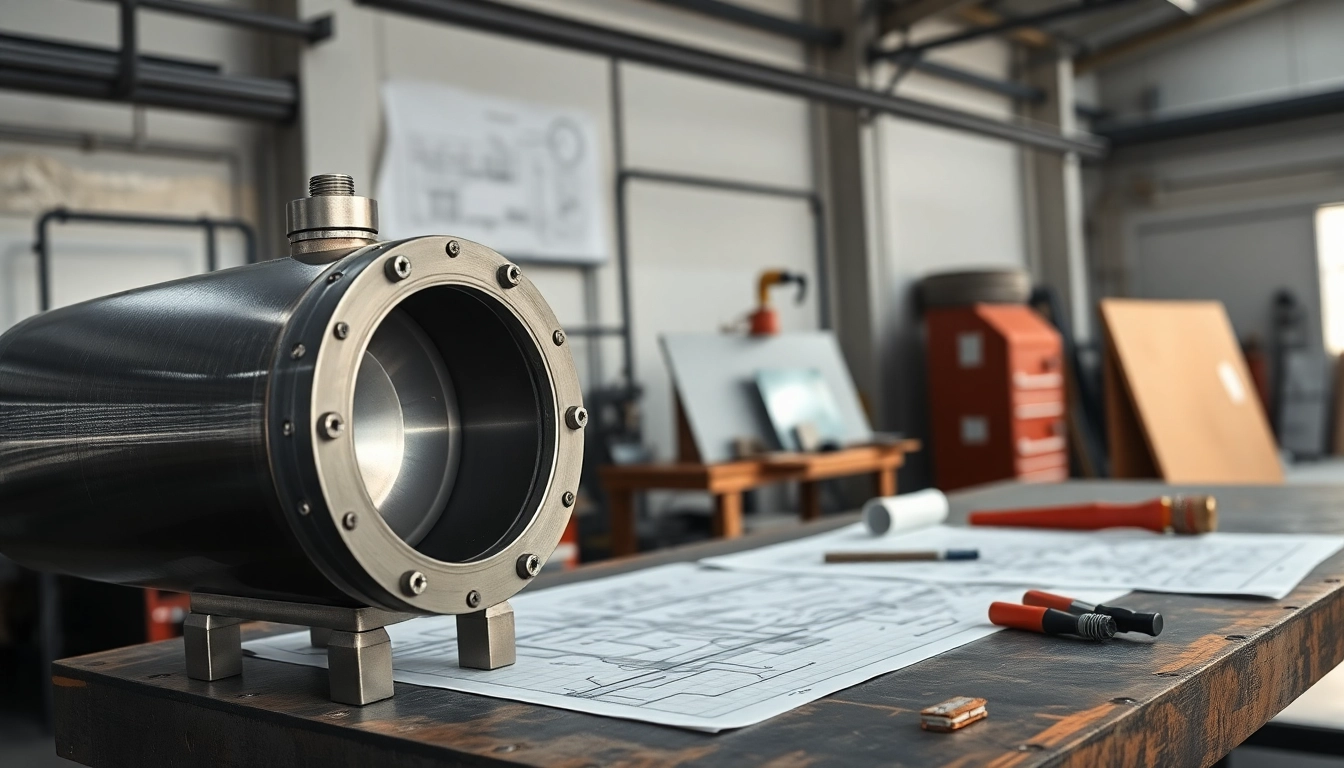
A pressure vessel is a closed container used to hold gases or liquids at a pressure substantially different from the ambient pressure. These vessels are vital components in various industries, including oil and gas, chemical manufacturing, and power generation. Essentially, any vessel that can operate under pressure is classified as a pressure vessel. Typical shapes include cylinders, spheres, and cones, which are chosen based on the application and internal pressure requirements.
Key Design Considerations in Pressure Vessel Design
Designing pressure vessels involves several critical factors that engineers must consider to ensure safety, reliability, and compliance with industry standards. These considerations include:
- Pressure and Temperature Ratings: Understanding the maximum allowable working pressure (MAWP) and temperature is fundamental for designing a vessel that won’t fail under operation conditions.
- Material Selection: The material must be resilient enough to withstand the internal and external forces, including corrosive materials and temperature extremes.
- Safety Factors: Adequate safety margins must be incorporated to accommodate unexpected pressure surges or material flaws.
- Geometric Configuration: The shape of the vessel impacts its performance. Cylinders are common due to their efficient pressure containment properties.
- Connections and Nozzles: The design of these components must ensure leak-proof operations while maintaining structural integrity.
Types of Pressure Vessels: Shapes and Applications
Pressure vessels are categorized based on their shapes and operational uses. The most common types include:
- Cylindrical Vessels: Often found in storage tanks and pipelines, these vessels can be oriented vertically or horizontally.
- Spherical Vessels: Typically used for the storage of gases at high pressures, they provide uniform strength and resist deformation.
- Conical Vessels: Frequently employed in separator applications where the fluid must transition from one phase to another.
Understanding the specific applications for each type of vessel allows engineers to select the appropriate design that meets the operational requirements and industry standards.
Material Selection for Pressure Vessel Design
Choosing the right materials for pressure vessel construction is critical for ensuring longevity and safety. Factors like strength, durability, and resistance to corrosion play significant roles in material selection.
Common Materials Used in Pressure Vessel Design
The most frequently used materials in pressure vessel construction include:
- Carbon Steel: Widely utilized for its strength and cost-effectiveness, especially in low-temperature and moderate-pressure applications.
- Stainless Steel: Offers excellent corrosion resistance, making it suitable for corrosive substances.
- Alloy Steel: Used for applications with higher temperature and pressure requirements due to its enhanced mechanical properties.
- Composite Materials: Increasingly used in specialized applications, offering benefits in weight savings and corrosion resistance.
Impact of Temperature and Pressure on Material Choice
Materials behave differently under varying temperature and pressure conditions, impacting their mechanical properties and longevity. For instance, higher temperatures can lead to decreased yield strength in some metals, while low temperatures can make certain materials brittle. Understanding the operation environment is key to selecting a suitable material that will maintain integrity throughout its service life.
Corrosion Resistance and Maintenance in Pressure Vessel Design
Corrosion presents a significant risk for pressure vessels, especially those exposed to harsh chemicals or extreme environments. Selecting corrosion-resistant materials and implementing protective coatings can help mitigate these issues. Additionally, regular inspections and maintenance schedules are vital to ensure the vessels remain in safe operational condition, thus preventing catastrophic failures.
Regulatory Compliance in Pressure Vessel Design
Compliance with regulatory standards in pressure vessel design is both a legal and ethical responsibility for engineers and manufacturers. These standards are designed to ensure safety and reliability in pressure vessel operations.
Overview of ASME Codes in Pressure Vessel Design
The American Society of Mechanical Engineers (ASME) has established a set of codes, most prominently the Boiler and Pressure Vessel Code (BPVC), which governs the design, construction, inspection, and testing of pressure vessels. Compliance with these codes is essential for ensuring public safety and industry standards. The ASME codes provide guidelines on materials, design calculations, fabrication, and nondestructive testing methods that must be employed.
International Standards and Their Importance
Different countries may have specific regulations regarding pressure vessel design. Understanding these international standards is crucial, especially for companies operating in multiple regions. Adhering to these regulations not only ensures safety but also helps in achieving market acceptance across borders, thereby enhancing competitiveness.
Documentation and Certification Requirements
Rigorous documentation and certification processes are part of the pressure vessel compliance landscape. Engineers must maintain thorough records of design calculations, material certifications, and inspection reports to substantiate compliance with industry standards. This documentation plays a crucial role during audits and helps in maintaining accountability.
Advanced Techniques in Pressure Vessel Design
As technology continues to evolve, so does the approach to pressure vessel design. Advanced techniques and software tools have greatly enhanced the design process, improving efficiency and accuracy.
Finite Element Analysis in Pressure Vessel Design
Finite Element Analysis (FEA) has become an essential tool in pressure vessel design. This computational method allows engineers to simulate and analyze the behavior of pressure vessels under various conditions, identifying potential weaknesses in the design and allowing for optimization before physical manufacturing begins. By using FEA, designers can predict failure points, conduct stress analysis, and ensure compliance with safety standards.
Modern Software Tools for Pressure Vessel Design
Several software applications are available to aid in pressure vessel design, streamlining processes and enhancing accuracy. Tools like AutoCAD, SolidWorks, and specialized pressure vessel design software such as CademPVD facilitate detailed design work, including 3D modeling and simulation. Utilizing these technological advancements can help engineers save time, reduce errors, and simplify the documentation process.
Case Studies of Complex Pressure Vessel Design
Real-world case studies provide insights into the challenges and solutions experienced during pressure vessel design projects. For instance, designing vessels for the oil and gas sector often requires adherence to extreme pressure and temperature conditions, necessitating innovative engineering solutions. Sharing these cases emphasizes best practices, lessons learned, and the importance of thorough planning in the design process.
Common Challenges and Solutions in Pressure Vessel Design
Despite the advancements in technology and design practices, several challenges persist in the field of pressure vessel design. Recognizing these challenges and developing effective solutions is paramount to ensuring successful project outcomes.
Identifying Potential Design Failures
Potential design failures can arise from various factors, including material selection errors, failure to comply with regulatory standards, and miscalculations in pressure and temperature tolerances. Conducting thorough risk assessments and design reviews can help engineers identify vulnerabilities before they result in costly errors or safety hazards.
Best Practices for Safety in Pressure Vessel Design
Implementing best practices is crucial in mitigating risks associated with pressure vessel design. This includes regular training for personnel on safety and compliance, adherence to established standards, and continuous monitoring of operational conditions to promptly address any deviations or anomalies. Collaboration among design teams, inspectors, and regulatory bodies enhances the overall safety culture within the organization.
Future Trends in Pressure Vessel Design Engineering
Looking forward, several trends are shaping the evolution of pressure vessel design. The growing emphasis on sustainability is pushing engineers to explore eco-friendly materials and processes. Additionally, the integration of digital technologies, such as IoT and AI, is expected to revolutionize how pressure vessels are monitored and maintained, providing real-time data for proactive management and predictive maintenance.
Frequently Asked Questions about Pressure Vessel Design
What is the basic pressure vessel design?
A pressure vessel is typically designed as a closed container capable of operating under significant internal or external pressure, often utilizing a cylindrical shape with hemispherical ends to optimize strength and control stress distribution.
What standards must a pressure vessel adhere to?
Pressure vessels must comply with regulatory standards such as the ASME Boiler and Pressure Vessel Code, and potentially international standards depending on the operational region, ensuring safety and reliability.
How is material choice influenced in pressure vessel design?
Material choice is influenced by factors like the intended operating pressure and temperature, the corrosive nature of the contents, and mechanical properties required for durability and safety.
What are common pressure vessel shapes?
Common pressure vessel shapes include cylindrical, spherical, and conical configurations, each chosen based on specific application requirements and pressure tolerance needs.
How can advanced design techniques improve safety?
Advanced techniques like Finite Element Analysis can enhance pressure vessel safety by allowing engineers to simulate and analyze potential failure points, optimizing designs prior to fabrication and ensuring compliance with safety standards.