Understanding Pressure Vessel Design
Pressure vessels are a critical component in various industries, used to store and transport fluids under pressure. Understanding the nuances of Pressure Vessel Design can significantly enhance safety, efficiency, and compliance with rigorous standards. This article discusses the fundamentals, principles, processes, common challenges, and future trends in pressure vessel design.
What Is a Pressure Vessel?
A pressure vessel is a container designed to hold gases or liquids at a pressure significantly different from the ambient pressure. Common designs include cylindrical and spherical shapes, with specific features that support strength and durability under various operating conditions. The primary goal is to ensure safety while performing its intended function.
Common Applications of Pressure Vessels
Pressure vessels are utilized in numerous industries. Here are some examples:
- Oil and Gas: Used for storing hydrocarbons and other fuels under pressure, ensuring safe transportation and storage.
- Chemical Manufacturing: Essential in reactors to maintain controlled environments during chemical reactions.
- Power Generation: Functions in steam boilers and turbines where pressurized steam is necessary for energy production.
- Food and Beverage: Used in pasteurization and fermentation processes where pressure and temperature control are critical.
- Pharmaceuticals: Ensures safe and sterile environments for drug production.
Key Design Considerations
Designing a pressure vessel involves multiple factors:
- Material Selection: The choice of material affects the vessel's performance, corrosion resistance, and overall lifespan.
- Operating Conditions: Understanding pressure, temperature, and external factors is vital to ensure the vessel meets its operational demands.
- Regulatory Compliance: Adhering to standards such as ASME is critical to ensure safety and reliability.
- Innovative Design Techniques: Utilizing modern CAD tools for improvements in the design process.
Principles of Effective Pressure Vessel Design
Material Selection and Properties
The materials used for pressure vessel construction must withstand extreme conditions. Common materials include:
- Carbon Steel: Durable and cost-effective, suitable for a range of applications.
- Stainless Steel: Offers excellent corrosion resistance and is often used in food and pharmaceutical applications.
- Composite Materials: Increasingly used for specialized vessels due to their lightweight and strong properties.
Each material has its unique properties, such as yield strength, fatigue resistance, and corrosion allowances, making the selection process crucial for design durability.
Design Codes: ASME and Beyond
The American Society of Mechanical Engineers (ASME) sets forth the Boiler and Pressure Vessel Code (BPVC) as a guiding standard for pressure vessel design. Compliance with these regulations is mandatory in many jurisdictions. Other guidelines from international bodies may also be relevant, depending on the geographical context of the project.
The Importance of Safety Factors
Safety factors compensate for unforeseen stresses in design. Engineers typically design vessels to withstand pressures exceeding expected operational maximums by a certain safety margin. These factors can vary based on industry regulations, material properties, and design purposes, emphasizing the need for comprehensive analysis during design.
The Design Process of a Pressure Vessel
Initial Conceptualization and Prototyping
The initial phase involves defining the function and parameters of the pressure vessel. Once a conceptual design is formed, prototyping is critical to test ideas and validate functionality. This can involve computational fluid dynamics (CFD) simulations and physical models.
Calculating Required Specifications
Engineers must precisely calculate dimensions, wall thickness, and material requirements based on operational pressure, temperature, and intended service life. Using standardized formulas and tools, they assess factors like stress concentration, thermal expansion, and corrosion impact.
Finalizing the Engineering Drawings
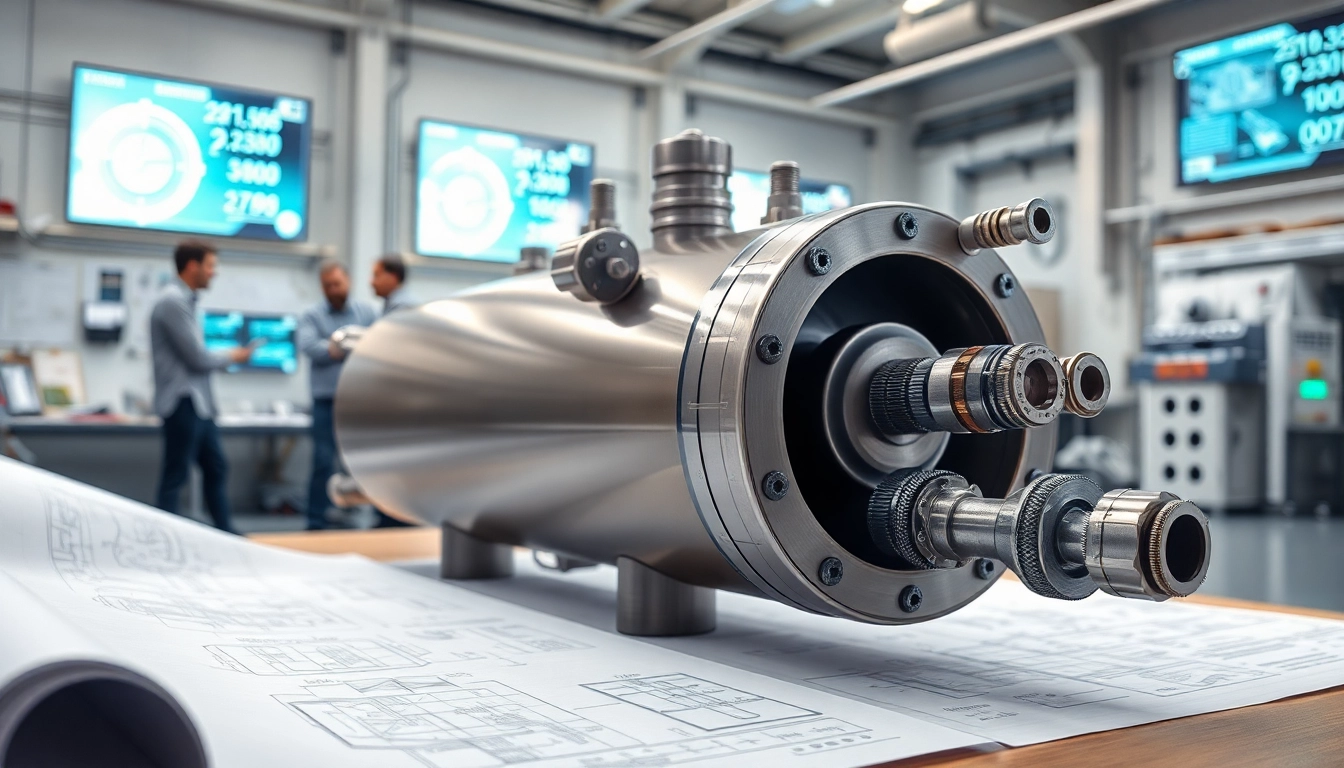
After thorough analyses, engineering drawings are created to outline specifications. These drawings serve as guidelines for manufacturing and should detail every aspect—from materials selected to assembly and finishing processes. Adherence to engineering best practices ensures successful outcomes in the fabrication phase.
Common Challenges in Pressure Vessel Design
Compliance with Regulations
Navigating the various regulations and industry standards can be challenging. Failure to comply can not only affect the safety of the vessel but can also lead to significant legal implications. Continuous education on regulations and maintaining open communication with certifying bodies is vital for designers.
Material Limitations and Choices
Changing material properties under different environmental conditions poses a challenge. Engineers must remain updated about advancements in materials and technology while accounting for local availability, cost, and suitability for the application.
Cost Efficiency vs. Safety
Finding a balance between cost and safety is one of the most significant challenges in pressure vessel design. While it is essential to optimize costs, compromising on safety can lead to catastrophic failures. Implementing cost-effective materials and designs without sacrificing safety should be a primary goal.
Future Trends in Pressure Vessel Design
Innovative Materials and Technologies
Innovation in materials science continues to drive pressure vessel design. Techniques like additive manufacturing and high-performance composites are gaining traction, allowing for lighter and more resilient designs that can operate in extreme conditions.
Automation in Design and Testing
The integration of automation in both design and testing processes is increasing efficiency. CAD software allows for rapid iterations in design, while automated testing systems can meticulously monitor vessels under real operational stresses.
Sustainability in Pressure Vessel Applications
As industries become more environmentally conscious, sustainable practices are essential in pressure vessel design. This might include using recyclable materials, reducing energy consumption in production, and improving the longevity of the vessel to minimize its overall environmental footprint.
Frequently Asked Questions
What is the basic pressure vessel design?
Pressure vessels can be built in various shapes. Commonly, they consist of cylindrical bodies closed with hemispherical heads, designed to withstand internal or external pressure.
What is the rule 19 for pressure vessels?
Rule 19 pertains to periodic testing of pressure vessels, ensuring safety. Regular inspections are crucial for maintaining structural integrity, especially in critical applications like LPG transportation.
Which software is used for pressure vessel design?
Numerous software solutions, like CademPVD, facilitate mechanical design, covering different national and international design codes that streamline the pressure vessel design process.
What is the design code for a pressure vessel?
The ASME Section VIII is globally recognized for pressure vessel design, establishing safety and reliability standards crucial for various industries, including oil, gas, and energy.
What are the advantages of composite materials in vessel design?
Composite materials offer lightweight strength and excellent corrosion resistance, enabling the design of pressure vessels that are easier to transport and that can operate effectively in hostile environments.