Introduction to Genie Lift
In the realm of aerial work platforms, the genie lift stands out for its innovative design and robust performance. These lifts are essential tools for a variety of industries, offering efficiency and safety for tasks that require elevated work. In this comprehensive guide, we will delve into what a genie lift is, explore its distinct features, study its benefits, and much more.
What is a Genie Lift?
A genie lift is a type of aerial work platform used for various applications, including construction, maintenance, and warehousing. Designed to elevate workers and materials safely, genie lifts are renowned for their reliability and ease of use. They come in various forms, including articulating boom lifts, telescopic boom lifts, and scissor lifts, each suited to different tasks.
Key Features and Specifications
Genie lifts are engineered with a host of features that enhance productivity and safety. Key specifications may include:
- Height Range: Capable of reaching heights from 20 to over 60 feet.
- Load Capacity: Typically ranges from 500 to 1,500 pounds, depending on the model.
- Power Options: Available in electric and diesel models, catering to indoor and outdoor environments.
- Compact Design: Many models feature a narrow profile for easy maneuverability in tight spaces.
Benefits of Using a Genie Lift
The advantages of incorporating a genie lift into your operations are numerous:
- Increased Safety: Genie lifts have built-in safety features, such as emergency stop buttons and safety harnesses.
- Height Versatility: Ideal for various tasks, from ceiling installations to outdoor construction sites.
- Efficiency: Enables quicker access to elevated areas, enhancing productivity.
- Minimal Ground Damage: With stabilizers that distribute weight effectively, less ground disturbance occurs.
Types of Genie Lifts
Understanding the different types of genie lifts will help you select the right one for your specific needs. Below are the primary categories:
Articulated Boom Lifts
Articulated boom lifts, also known as knuckle booms, feature a jointed arm that allows for greater maneuverability. They can navigate around obstacles and extend over structures, making them ideal for complex work environments. Key attributes include:
- Extended Reach: Capable of reaching distances that traditional lifts cannot.
- Flexible Operation: Operators can position the lift in various angles and heights.
- Rough Terrain Capability: Some models are designed for outdoor use on uneven surfaces.
Telescopic Boom Lifts
Telescopic boom lifts are characterized by a straight arm that can extend and retract, offering high reach and stability. These lifts are best suited for tasks that require a consistent height:
- Higher Elevation: Offers greater vertical reach than articulated models.
- Sturdy Base: Provides a stable platform, ideal for heavy lifting.
- Versatile Applications: Perfect for constructing tall structures or cranes.
Scissor Lifts
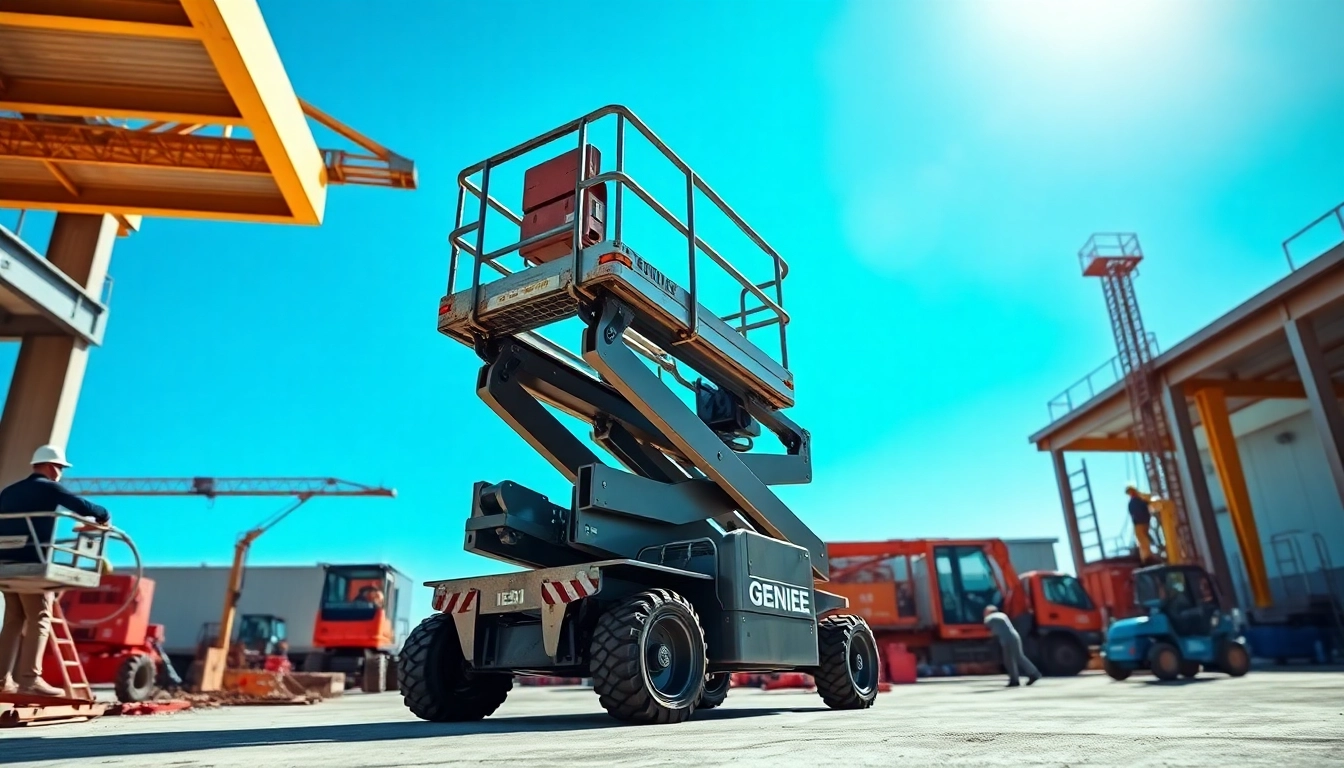
Scissor lifts provide vertical lift, with a crisscrossing support structure that allows the platform to rise smoothly. These lifts are mainly used for tasks that require extended horizontal space and vertical height, such as:
- Indoor Use: Perfect for stock maintenance in warehouses or for electrical installations in buildings.
- Load Stability: Excellent for carrying multiple workers and tools simultaneously.
- Variable Heights: Available in various heights, providing options for different elevations.
Applications of Genie Lift
The versatility of genie lifts allows them to be used across multiple sectors. Here are some notable applications:
Construction and Maintenance
In the construction industry, genie lifts facilitate access to high-altitude areas for tasks such as installation and maintenance of roofing or siding. They are essential for ensuring safety and efficiency in the completion of projects.
Warehousing and Distribution
In warehouses, genie lifts are instrumental in managing stock, allowing employees to retrieve products from tall shelves safely. They enhance operations by speeding up the restocking and inventory process.
Specialized Industries
Besides construction and warehousing, genie lifts are employed in specialized sectors such as film production for camera rigging and lighting setup, and in events for booth setup. Their adaptability shines in challenging environments.
Safety Considerations with Genie Lift
Working with genie lifts demands adherence to safety protocols to mitigate risks. Below we outline essential safety considerations:
Pre-Operation Checks
Before operating a genie lift, conduct thorough pre-operation inspections. Check for:
- Battery status and charging levels.
- Hydraulic fluid levels.
- Functionality of safety devices, like emergency brakes and alarms.
- Proper functioning of controls and indicators.
Operator Training Requirements
Only trained and certified operators should handle genie lifts, as they possess the knowledge of safe operating procedures and the lift's specific functionalities. Regular training refreshers ensure ongoing competency.
Safe Operation Tips
To operate a genie lift safely:
- Always wear appropriate personal protective equipment (PPE).
- Maintain a clear workspace to avoid obstacles and hazards.
- Secure the lift on stable ground and utilize outriggers when necessary.
- Never exceed the rated load capacity.
Buying vs. Renting Genie Lift
When considering the use of a genie lift, organizations must decide between purchase and rental. Both options have distinct advantages:
Factors to Consider When Buying
Purchasing a genie lift can be a worthwhile investment, particularly for businesses that require frequent use. Factors to contemplate include:
- Usage Frequency: How often will the lift be used? Regular use may justify a purchase.
- Maintenance Costs: Owning a lift comes with responsibilities for upkeep and repairs.
- Resale Value: Consider the potential to sell the lift later to recoup some investment.
Advantages of Renting a Genie Lift
Renting offers flexibility and cost efficiency, particularly for sporadic projects:
- No Maintenance Worries: Rental companies typically handle maintenance and inspections.
- Access to Newer Models: Renting allows access to the latest technology without the overhead of purchase.
- Financial Flexibility: Renting can be more cost-effective than purchasing if the lift is only needed occasionally.
Cost Analysis
Ultimately, the decision between buying and renting boils down to cost analysis. Consider the long-term financial implications, including purchase price, rental rates, and anticipated usage frequency. Evaluating total cost of ownership versus short-term rental rates will guide your decision.
Frequently Asked Questions
1. What type of Genie lift is best for outdoor use?
Rough terrain models are ideal for outdoor use due to their durable designs and enhanced stability on uneven surfaces.
2. How much does a Genie lift typically cost?
Costs vary widely based on model and features, but prices can range from $20,000 to $100,000 for new units.
3. Can anyone operate a Genie lift?
No, only trained and certified operators can operate a genie lift to ensure safety and compliance with regulations.
4. What is the maximum height a Genie lift can reach?
Depending on the model, some genie lifts can reach heights of over 60 feet, making them suitable for various applications.
5. How often should a Genie lift be inspected?
Regular inspections should be conducted before each use, and a comprehensive annual inspection is recommended for safety compliance.