Understanding Retail Video Analytics
Definition and Importance of Retail Video Analytics
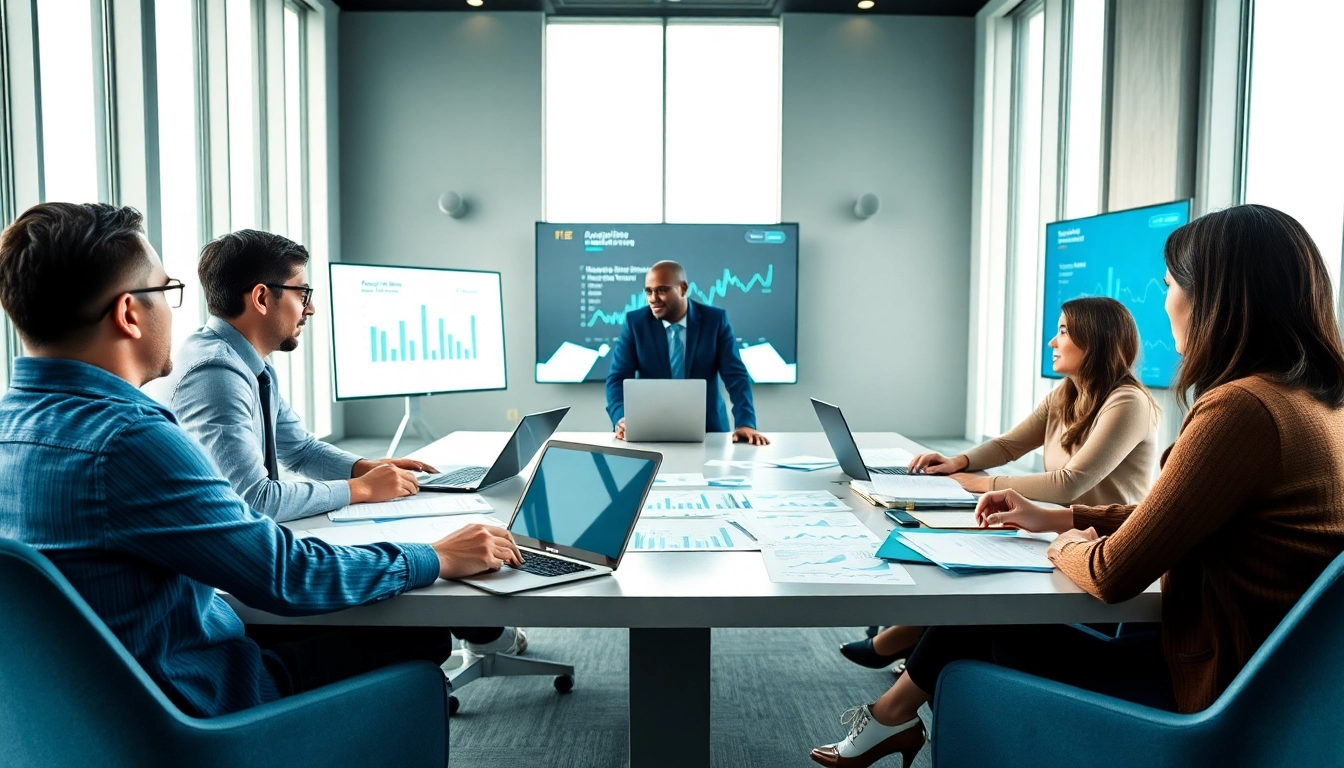
Retail video analytics refers to the advanced systems that combine video monitoring with data analysis technologies to assess shopper behavior and operational performance within retail environments. By leveraging algorithms that interpret visual data, businesses can enhance their store layouts, optimize inventory management, and improve customer service. In an age dominated by data-driven decisions, the integration of retail video analytics is becoming increasingly essential for maintaining competitive advantage.
How Retail Video Analytics Works
At the core of retail video analytics are a network of cameras equipped with machine learning capabilities. These cameras capture video footage of retail floors, which is immediately processed to recognize patterns in customer behaviors, such as foot traffic, dwell time at specific displays, and conversion rates. The data collected is then compared against predefined metrics to provide real-time insights into operational efficiencies and customer interactions.
Key Components of Retail Video Analytics
- Cameras: High-definition cameras with integrated analytics capabilities are crucial.
- Processing Software: Advanced software to process, analyze, and report data in real-time.
- Algorithms: Machine learning models that constantly improve recognition and prediction based on past data.
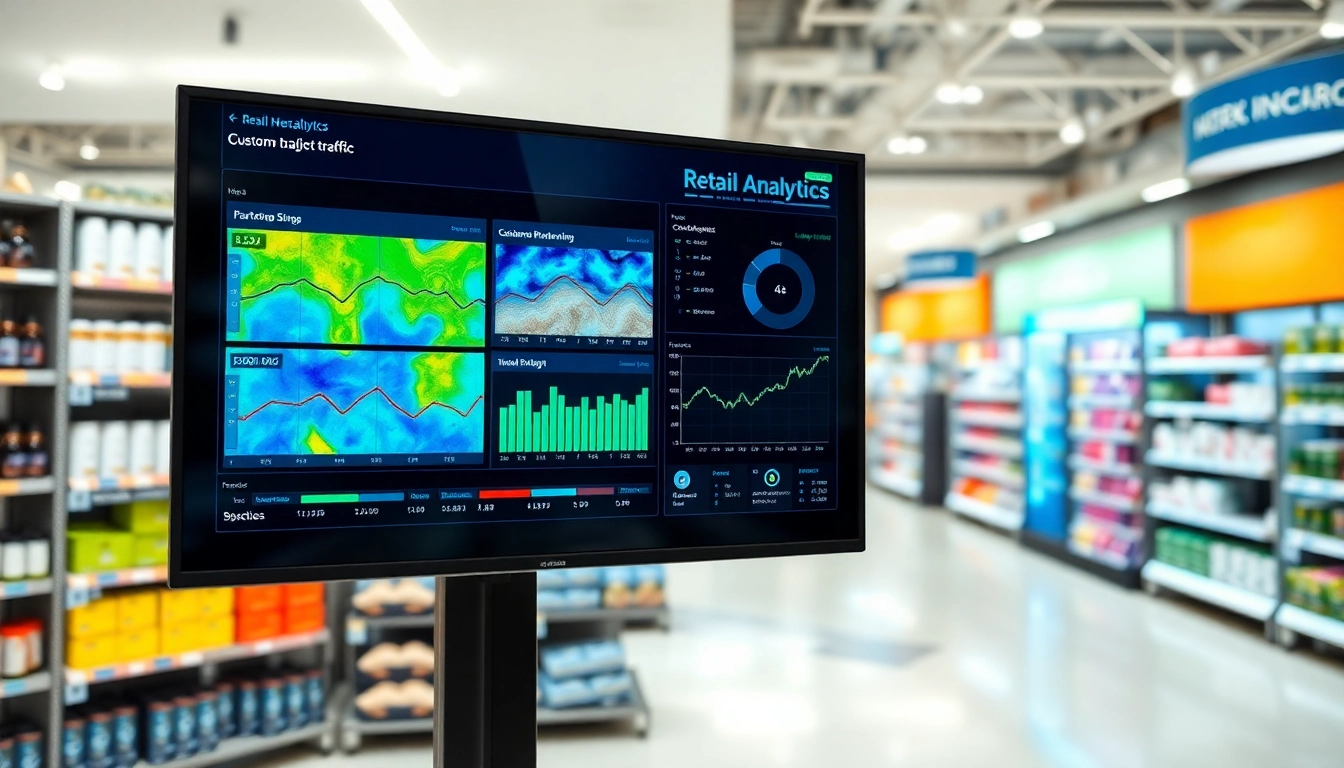
- Dashboards: User-friendly interfaces that display analytics results and KPIs for easy interpretation.
Benefits of Retail Video Analytics
Enhancing Customer Insights
Retail video analytics provides an unprecedented depth of understanding regarding customer preferences and shopping behavior. By analyzing foot traffic patterns and customer interactions with products, businesses can glean insights into popular items, less-trafficked areas, and even customer sentiment. This data allows for tailoring marketing approaches, optimizing product placement, and improving the overall shopping experience.
Improving Operational Efficiency
With real-time performance tracking, retailers can swiftly identify operational inefficiencies. For instance, by observing queue lengths at checkout, management can allocate staff more effectively during peak hours. Additionally, analytics can help streamline inventory management by highlighting slow-moving stock, thereby reducing holding costs and improving turnover rates.
Driving Sales Growth
The combination of enhanced customer insights and improved operational efficiency directly contributes to increased sales. By understanding which products attract the most attention, businesses can create targeted promotions and strategically place high-interest items together to encourage additional purchases. This cyclic improvement promotes a continuous growth loop that benefits both retailers and consumers alike.
Implementing Retail Video Analytics
Selecting the Right Technology
Choosing the appropriate video analytics technology is crucial for success. Retailers should evaluate cameras not only based on their video quality but also their analytical capabilities. Features to look for include:
- Real-time processing speed.
- Integration compatibility with existing systems.
- Ease of use of the software interface.
- Scalability options to accommodate future growth.
Best Practices for Deployment
Successful deployment of retail video analytics requires a structured approach. Begin with a pilot program that focuses on a single location or department. This allows for testing functionalities and evaluating initial outcomes. It’s essential to provide training for staff to utilize the system effectively. Regularly revisit the setup to make necessary adjustments and ensure that the analytics systems continue to meet evolving business needs.
Integrating with Existing Systems
A seamless integration with existing retail systems—such as POS, inventory management, and customer relationship management—is key in maximizing the effectiveness of retail video analytics. By linking these systems, businesses can develop more comprehensive insights that facilitate better decision-making and holistic operational improvements.
Challenges in Retail Video Analytics
Data Privacy and Security Concerns
As with all data-driven technologies, privacy remains a significant concern. Retailers must comply with regulations related to data capture and usage. Transparent communication about how data is collected, used, and maintained is essential in fostering customer trust. Implementation of stringent data security measures is non-negotiable to protect sensitive information from potential breaches.
Overcoming Technical Barriers
Technical challenges often arise during the adoption of retail video analytics. Difficulty in selecting suitable hardware and software or complications arising from integrating new systems with legacy solutions can prove problematic. Collaborating with experienced vendors during the selection and deployment phases can mitigate these technical barriers significantly.
Interpreting Data Effectively
Another challenge is the effective interpretation of collected data. Raw data holds little value without context. Retailers must encourage a culture of data literacy among decision-makers. Utilizing user-friendly dashboards that translate complex data into actionable insights can bridge this gap, empowering teams to make informed decisions based on the data provided.
Future Trends in Retail Video Analytics
Advancements in AI and Machine Learning
As technology continues to evolve, advancements in AI and machine learning will further enhance the capabilities of retail video analytics. Expect systems to become more intuitive, with the ability to predict customer behavior and preferences even before the data is fully processed. This proactive approach will allow retailers to engage customers in increasingly personalized ways.
Emerging Use Cases
Beyond traditional customer behavior analysis, emerging use cases for retail video analytics include ensuring compliance with health and safety regulations, monitoring staff performance, and enhancing loss prevention measures. These applications present new opportunities for retailers to derive added value from their investment in analytics technology.
What to Expect in the Coming Years
In the coming years, the integration of Internet of Things (IoT) devices with retail video analytics is expected to grow. This synergy will provide retailers with a richer pool of data from multiple sources, enhancing their ability to measure performance and optimize operations. Furthermore, advancements in real-time data processing capabilities will allow for immediate responses to shopper behavior, elevating customer satisfaction levels significantly.
Frequently Asked Questions (FAQs)
What is retail video analytics?
Retail video analytics uses video surveillance data combined with advanced algorithms to analyze consumer behavior, improve store operations, and enhance customer experiences.
How can retail video analytics boost sales?
By understanding customer behavior and preferences, retailers can optimize product placement, create targeted promotions, and improve overall shopping experiences, driving sales growth.
Are there privacy concerns with retail video analytics?
Yes, data privacy is crucial. Retailers must comply with regulations and ensure transparency about data collection and use to maintain customer trust.
What technologies are essential for retail video analytics?
High-definition cameras, real-time processing software, machine learning algorithms, and user-friendly dashboards are essential components of retail video analytics systems.
What future trends are expected in retail video analytics?
Expect advancements in AI and machine learning, emerging use cases for compliance and loss prevention, and greater integration with IoT devices for enhanced data insights.