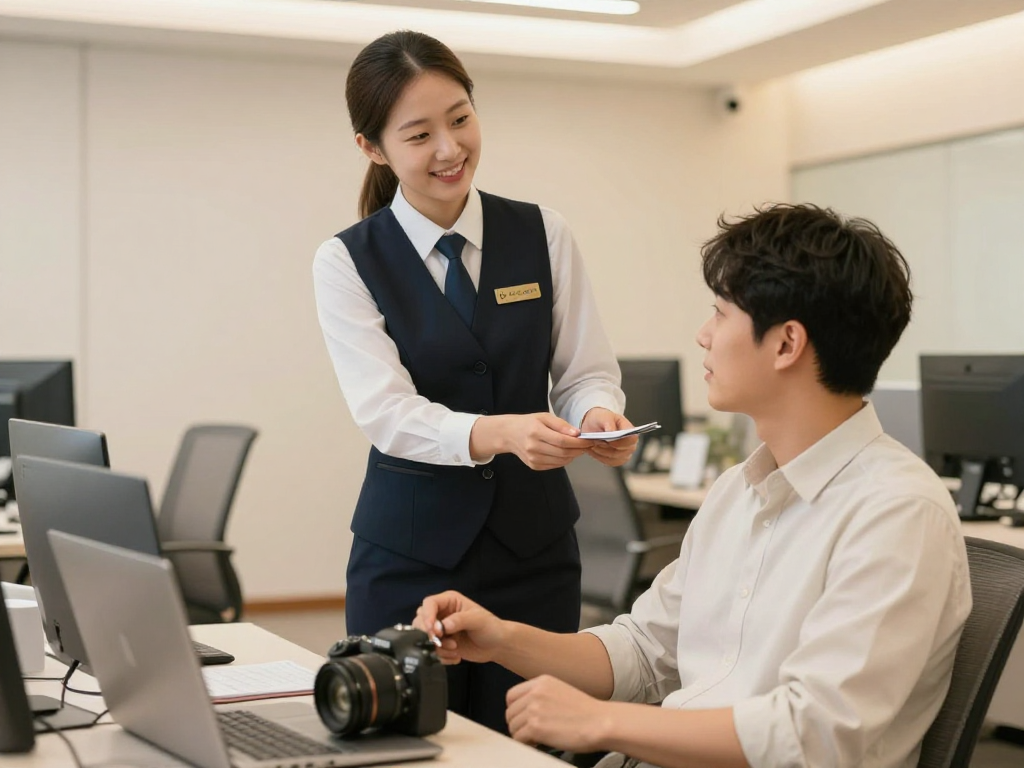
Understanding the Role of a Real Estate Photographer
What is a Real Estate Photographer?
A Real Estate Photographer specializes in capturing high-quality images that showcase properties for sale, helping real estate agents and sellers present their listings in the best light. This profession combines artistic skill with technical expertise, as photographers must understand both the aesthetics of composition and the functions of their equipment to create compelling images that attract potential buyers.
Key Skills for a Real Estate Photographer
Successful real estate photographers need a blend of technical and soft skills to thrive in their roles. Key skills include:
- Technical Proficiency: Mastery of camera settings, lighting techniques, and post-processing software.
- Aesthetic Sensibility: An eye for detail and composition that can highlight the features of a property.
- Communication Skills: The ability to collaborate with real estate agents and clients to understand their vision.
- Time Management: Efficient scheduling and quick turnaround on photo editing to meet client deadlines.
The Importance of Visual Storytelling
Effective real estate photography goes beyond merely capturing images; it tells a story about the lifestyle and possibilities associated with a property. Photographers must craft a narrative that resonates with potential buyers, helping them envision themselves living in the space. This involves not just showcasing the property but also its surroundings, the community, and the unique selling propositions that make it attractive.
Essential Gear for a Real Estate Photographer
Camera Equipment Recommendations
The foundation of high-quality real estate photography starts with the right camera equipment. Essential tools include:
- DSLR or Mirrorless Camera: A camera with interchangeable lenses allows for versatility and superior image quality. Full-frame sensors are ideal for capturing high-resolution images.
- Wide-Angle Lens: A lens between 16-24mm helps capture more of the space in each shot, making rooms appear larger and more inviting.
- Tripod: A sturdy tripod is crucial for shooting in low-light conditions and for maintaining consistent framing across images.
Lighting Tools for High-Quality Photos
Proper lighting is crucial in real estate photography to eliminate shadows and enhance features. Here are vital lighting tools:
- External Flash: Using an off-camera flash can help balance interior lighting with outside daylight.
- Continuous Lights: Softbox or LED lights can illuminate dark corners and prevent harsh shadows.
- Reflectors: These can bounce light into shadow areas, helping to create a more well-lit image.
Post-Processing Software for Enhancements
The final step in creating compelling real estate images is editing. Software like Adobe Lightroom and Photoshop are industry standards, allowing photographers to:
- Adjust exposure, contrast, and color accuracy.
- Correct lens distortion to ensure straight lines.
- Stitch together multiple images for panoramic shots or to create HDR images.
Techniques to Improve Real Estate Photography
Composing Stunning Property Shots
Composition is key to captivating real estate images. Techniques to enhance composition include:
- Rule of Thirds: Positioning the focal points of images along imaginary grid lines for balanced composition.
- Leading Lines: Using lines in architecture or natural elements to guide the viewer’s eye through the image.
- Framing: Using doorways or windows to frame shots, adding depth to images.
Utilizing Natural Light Effectively
Natural light can dramatically enhance real estate photos. To maximize its potential:
- Schedule shoots during the golden hour (early morning or late afternoon) when the light is softer.
- Open curtains and blinds to let in as much natural light as possible.
- Turn off overhead lights to eliminate color casts and shadows.
Incorporating Aerial Photography Options
Aerial photography provides unique perspectives that showcase property size and surroundings. Essential tips include:
- Drone Usage: Invest in a high-quality drone, ensuring familiarity with local regulations regarding aerial photography.
- Clear Weather: Choose clear days for shooting to ensure sharp images with vivid colors.
- Showcase Unique Features: Use aerial shots to highlight special features like pools, backyards, and the overall layout of the property.
Marketing Your Real Estate Photography Services
Creating an Engaging Portfolio
An impressive portfolio is essential for showcasing your skills. To create one that stands out:
- Include a diverse range of properties, from rustic homes to modern apartments.
- Use high-quality print materials or a visually appealing online gallery.
- Display before-and-after shots to demonstrate editing skills and the impact of professional photography.
Leveraging Social Media for Exposure
Social media platforms offer powerful tools for marketing photography services. To leverage these effectively:
- Share Regularly: Consistent posting of your best shots can build a following and attract clients.
- Engage with Your Audience: Respond to comments and questions to foster relationships and community.
- Utilize Hashtags: Use relevant hashtags to join conversations and connect with potential clients in your niche.
Networking with Real Estate Professionals
Cultivating relationships with real estate agents and businesses can lead to referral opportunities. Effective networking strategies include:
- Attending local real estate events and open houses to meet industry professionals.
- Collaborating on marketing materials or joint promotions that benefit both parties.
- Offering to provide portfolio services to local real estate agents in exchange for referrals.
Measuring Success as a Real Estate Photographer
Analyzing Client Engagement
Understanding how clients engage with your services is essential for growth. Use these methods to analyze engagement:
- Survey past clients to gather feedback on service satisfaction.
- Monitor website analytics to track traffic, inquiries, and conversion rates.
- Assess email marketing responsiveness to refine targeting and messaging strategies.
Setting Competitive Pricing Structures
Pricing photography services can be challenging. To develop competitive pricing:
- Research industry standards in your area to understand pricing models.
- Consider offering packages that include various services like drone photography, video, or virtual tours.
- Evaluate your experience and equipment quality to justify pricing tiers.
Gathering Client Testimonials for Credibility
Client testimonials serve as powerful marketing tools. To gather and display them effectively:
- Request testimonials immediately after project completion while the experience is fresh.
- Feature testimonials prominently on your website and in marketing materials.
- Consider including a short video testimonial to enhance credibility and engagement.
FAQs About Real Estate Photographers
1. What education is required to become a real estate photographer?
While formal education is not a strict requirement, knowledge in photography, art, or design is beneficial. Many professionals opt for workshops or online courses to sharpen their skills.
2. How much do real estate photographers charge?
Pricing can vary significantly based on location and service types, but typical rates range from $100 to $500 per session, depending on factors like property size and included services.
3. Is drone photography worth it?
Yes, drone photography offers stunning aerial views that can differentiate your listings and attract more interest from potential buyers, justifying the investment.
4. How can I improve my photography skills?
Practice is key. Regularly shoot properties, participate in workshops, seek feedback from other photographers, and study other successful real estate photographs for inspiration.
5. What kind of editing should I do on my photos?
Editing should enhance the image without making it look unnatural. Adjust exposure, contrast, saturation, and sharpness, while removing distractions to ensure the focus remains on the property.