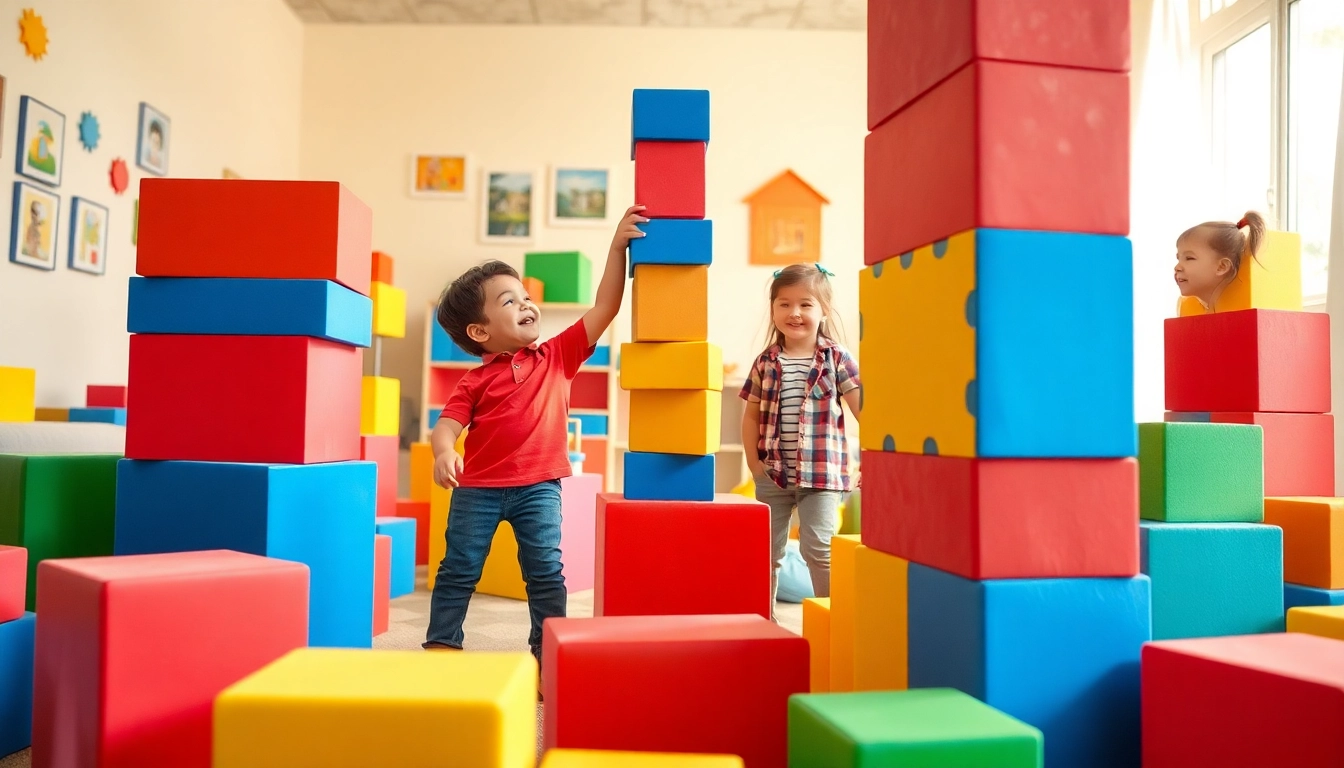
1. The Benefits of Giant Foam Building Blocks
Giant foam building blocks are not just fun toys; they're tools that foster a range of developmental benefits. Available in various sizes and colors, these blocks stimulate children's creativity, encourage physical activity, and foster social skills. When you find out more, you'll discover that these simple pieces can lead to profound learning experiences for young minds.
1.1 Encouraging Creativity and Imagination
At the heart of every child's play is the potential for creativity and imagination. Giant foam building blocks are particularly beneficial in this area because they can be transformed into anything a child envisions, from towering castles to imaginative vehicles. The open-ended nature of these blocks allows children to experiment with shapes, structures, and colors, promoting divergent thinking.
Research shows that free play is essential for cognitive development, and foam blocks encourage this by allowing children to explore and create without imposed rules. Through trial and error, kids learn problem-solving skills and how to manage frustration, ultimately enhancing their emotional resilience.
1.2 Enhancing Physical Development
The tactile experience of pushing, stacking, and balancing foam blocks enhances children's motor skills. These activities promote hand-eye coordination and strengthen fine motor skills, as children learn to manipulate various sizes and weights of blocks. Moreover, engaging with these blocks encourages gross motor development as kids climb over or crawl under large structures they’ve constructed.
Using foam blocks also promotes active play, which is crucial in an increasingly sedentary world. This engagement helps maintain a healthy weight and encourages cardiovascular fitness, all while children are absorbed in fun and creative play.
1.3 Fostering Social Interaction and Teamwork
Group play is fundamental for social development. When children engage with giant foam building blocks together, they learn to communicate effectively, share ideas, and negotiate roles. Such interactions are rich with opportunities to develop empathy and cooperation, foundational skills for later life.
Team projects with these blocks encourage discussion and collaborative problem-solving, whether it’s brainstorming ways to build a larger-than-life structure or working together to complete a designated challenge. This social aspect of play lays the groundwork for future teamwork experiences in both academic and extracurricular settings.
2. Choosing the Right Foam Building Blocks
Not all foam building blocks are created equal. When considering incorporating these toys into playtime, it's crucial to understand what to look for to maximize benefits and ensure safety and durability.
2.1 Material Safety and Durability
Material quality is paramount when selecting foam building blocks. Look for blocks made from non-toxic, high-density foam that passes safety standards to avoid harmful chemicals. Durability is also crucial as children explore and engage in active play, necessitating blocks that can withstand wear without breaking apart.
Moreover, products that come with safety certifications provide additional assurance about their material quality. Investing in high-quality foam blocks can lead to years of safe, imaginative play.
2.2 Size and Shape Variety
The diversity of size and shape available in foam building blocks can significantly influence the type of play experience. Smaller blocks may be ideal for intricate designs, while larger blocks are perfect for bold structures. Including a mix of shapes—such as rectangles, squares, and arches—can inspire creativity and innovation during play.
Consider also how easier-to-handle shapes enable younger children to participate without frustration, ensuring that foam blocks cater to varying age groups and skill levels.
2.3 Color and Design Considerations
Children are naturally drawn to vibrant colors. Opting for bright, engaging colors can enhance visual stimulation and catch a child’s attention. Moreover, some foam blocks come in themed designs or patterns, allowing for themed building projects that can spur imaginative storytelling opportunities.
It's important to note that while colors attract children, too many clashing colors can sometimes overwhelm them; hence a balance in color variety can be beneficial for focused play.
3. Innovative Play Ideas for Indoor Adventures
To keep playtime exciting and engaging, consider some innovative play ideas that leverage the creativity of giant foam blocks. These ideas can transform a simple play session into an adventure full of learning and excitement.
3.1 Themed Building Challenges
Themed building challenges can motivate children to create structures with a specific purpose or story. For example, assigning the theme of 'underwater exploration' could encourage kids to build submarines, reefs, or treasure chests. This not only sparks creativity but also teaches them about thematic storytelling.
Such challenges can be collaborative, encouraging children to work in teams where they can share ideas and build on each other’s strengths, enhancing social development and group dynamics.
3.2 Cooperative Team Projects
When children are divided into small groups to work on larger structures, they learn the importance of teamwork. Set guidelines where each child has a specific role, whether that's architect, builder, or design coordinator. This kind of structured play teaches children how to work together effectively, communicate clearly, and develop leadership skills.
Team projects can also include competitions or presentations where kids explain their designs, fostering public speaking and organizational skills along the way.
3.3 Interactive Storytelling with Blocks
Using foam blocks as tools for interactive storytelling can integrate both play and literacy. Provide a narrative framework and encourage children to use blocks to visualize scenes. For instance, while telling a fairy tale, children can create the setting, thus deepening their understanding and retention of the story.
This technique not only engages their imagination but also helps with narrative comprehension and character development, invaluable components of literacy education.
4. Setting Up a Safe Play Environment
Creating a dedicated play area that is safe and conducive to imaginative play is essential for fostering the many benefits of giant foam building blocks. Here’s how to establish such an environment.
4.1 Designing an Engaging Play Area
A designated play area should have enough space to allow for movement and creativity. Consider design elements such as a soft flooring surface to minimize injuries from falls. Have various zones for distinct types of play—quiet reading corners, building sections, and team collaboration spots. This diversity can keep children engaged and help to cater to various styles of play.
Incorporating additional resources such as drawing materials or themed crafts can also enhance creativity and allow for crossover between different forms of play.
4.2 Safety Tips for Indoor Play
Ensure that the play environment is clear of hazards. Remove sharp objects or breakable items within reach. Regularly check the condition of the foam blocks themselves, repairing or replacing any damaged pieces. Establish clear rules that remind children about safety, such as not throwing blocks and playing gently.
Supervision should be consistent, especially with younger children, to ensure they play safely and appropriately within their creative space.
4.3 Maintenance and Clean-Up Strategies
Regular maintenance of foam blocks is crucial to keep them safe and usable. Clean regularly with non-toxic cleaners, wiping down surfaces to avoid the buildup of germs. Encourage children to participate in clean-up as part of the play routine; this not only fosters responsibility but also teaches organizational skills.
Designating specific areas for storage can also make it easier to keep the play area tidy and organized. Use bins or shelving units for easy access to the foam blocks while keeping the space inspiring and visually appealing.
5. Frequently Asked Questions about Giant Foam Blocks
5.1 What age group are giant foam blocks suitable for?
Giant foam blocks are generally designed for children ages 1 and up. Their soft material makes them safe for toddlers, while larger shapes appeal to older children.
5.2 How do I clean and maintain foam blocks?
Clean foam blocks regularly with mild soap and water. Avoid harsh chemicals. Check for wear and replace damaged blocks to ensure safety.
5.3 Can kids play with foam blocks outdoors?
While foam blocks can be used outdoors, it’s essential to supervise play to prevent exposure to moisture or uneven surfaces that could cause injury.
5.4 Are foam building blocks safe?
Yes, if made from non-toxic materials and maintained properly, foam building blocks are safe for children. Always supervise to ensure safe play.
5.5 How to encourage cooperative play with foam blocks?
Set up group challenges or assign specific roles in projects. Encouraging children to share ideas helps them develop teamwork and communication skills.