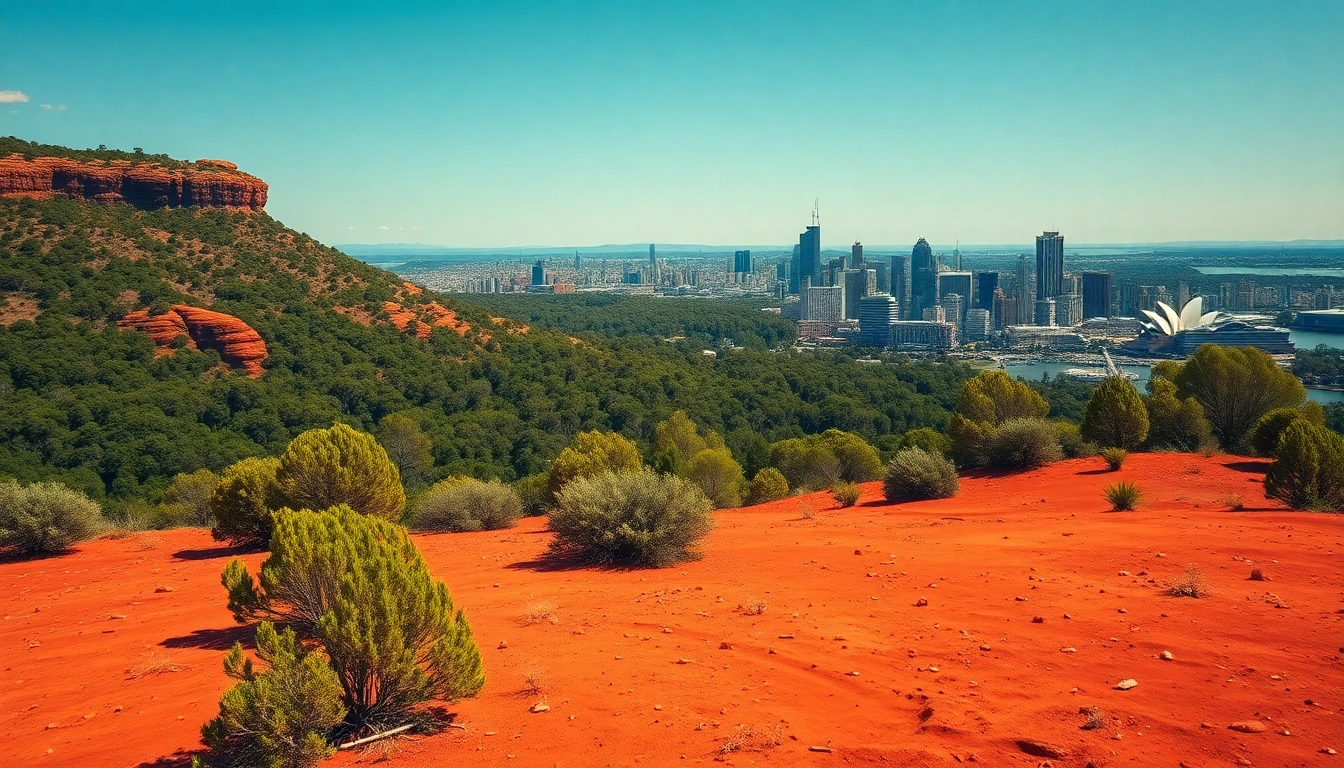
Introduction to Australia
Australia, a land of stunning contrasts and unparalleled natural beauty, is the world’s sixth-largest country, known for its unique wildlife, vast landscapes, and diverse cultures. Nestled between the Pacific and Indian Oceans, it offers a rich tapestry of experiences for both residents and visitors alike. From the pristine beaches of the Gold Coast to the rugged outback of the Northern Territory, Australia is truly a remarkable place on earth.
Overview of Australia's Geography
Australia is characterized by its extraordinary geographical features. The continent is often referred to as the flattest and driest inhabited continent on the planet. It spans approximately 7.7 million square kilometers, exhibiting a variety of landscapes, including coastal regions, deserts, rainforests, and expansive grasslands. Major cities such as Sydney, Melbourne, and Brisbane are situated along the eastern coastline, while the vast interior remains less densely populated, with iconic landmarks like Uluru rising prominently from the arid desert landscape.
Climate and Ecosystems in Australia
A diverse range of climates can be found across Australia, dictated by its size and geographical characteristics. The northern part of Australia enjoys a tropical climate, experiencing wet and dry seasons, while the southern regions experience a temperate climate. The country boasts a rich biodiversity; over 80% of its flora and fauna is unique to this land. Ecosystems range from the Great Barrier Reef, one of the most biodiverse marine areas in the world, through the lush rainforests of Queensland, to the arid deserts of the Outback.
Historical Background of Australia
Australia’s history is deeply influenced by its Indigenous peoples, who have called the continent home for over 65,000 years. Ancient cultures, traditions, and languages have been passed down through generations. European settlement began in the late 18th century, drastically changing the social and political landscape. The arrival of the First Fleet in 1788 marked the beginning of British colonization. Over the years, Australia has evolved into a multicultural society, embracing various cultural influences from around the world.
Culture and People of Australia
The cultural landscape of Australia is rich, vibrant, and ever-evolving. It reflects the various waves of immigration and the enduring legacy of its Indigenous heritage.
Multicultural Society in Australia
Australia is one of the most multicultural countries globally, with over 200 nationalities represented among its population. This diversity is celebrated through various festivals and community events across the year. Major urban centers like Sydney and Melbourne are melting pots of cultures, where diverse languages, cuisines, and traditions coexist harmoniously. Efforts to promote inclusivity and acceptance continue to shape the nation’s social fabric, making Australia a unique place to experience global cultures.
The Indigenous Cultures of Australia
The Indigenous cultures of Australia are among the oldest continuous cultures in the world. Australian Aboriginal and Torres Strait Islander peoples have a profound connection to the land, which is reflected in their art, stories, and spiritual beliefs. Visitors can explore their history through cultural centers, art exhibitions, and guided tours that highlight traditional practices and customs. Events like NAIDOC Week celebrate Indigenous contributions to Australian society and promote understanding and respect for these cultures.
Contemporary Australian Lifestyle
Modern Australian lifestyle is a fusion of traditional values and contemporary influences. Outdoor activities are deeply ingrained in everyday life, with sports such as cricket, rugby, and surfing holding significant importance in the national consciousness. Australians value an active lifestyle, and numerous parks, beaches, and recreational activities cater to this demand. Additionally, the food culture showcases an appreciation for local and seasonal produce, resulting in a vibrant culinary scene that reflects both international and indigenous influences.
Tourism and Attractions in Australia
Australia is a premier tourist destination, attracting millions of visitors each year with its unique offerings and stunning landscapes.
Natural Wonders Across Australia
The country's natural wonders are world-famous, from the Great Barrier Reef to the majestic Uluru. The Great Barrier Reef, a UNESCO World Heritage site, is the largest coral reef system in the world and a paradise for divers and marine life enthusiasts. The natural beauty of the Blue Mountains, with its dramatic cliffs and lush valleys, offers breathtaking views and numerous hiking trails. Additionally, locations like the Twelve Apostles along the Great Ocean Road provide iconic coastal views that captivate travelers.
Cultural Sites and Events in Australia
Australia is rich in cultural heritage, with numerous landmarks showcasing its history and diversity. Notable sites include the Sydney Opera House, an architectural marvel that hosts various performances and events year-round. Additionally, cities like Melbourne are known for their vibrant arts scene, with galleries, street art, and festivals celebrating creativity and expression. Major international events such as the Sydney Festival and Melbourne International Comedy Festival draw visitors from far and wide, showcasing the country’s vibrant cultural landscape.
Adventurous Activities in Australia
For thrill-seekers, Australia offers an abundance of adventurous activities. From skydiving in Cairns to surfing on the famous Gold Coast, adrenaline rushes are around every corner. For those seeking more grounded adventures, the Australian Outback provides opportunities for bushwalking, camping, and wildlife encounters. Activities such as snorkeling with manta rays or whale watching during migration seasons allow visitors to experience the country’s incredible marine life up close. Adventure tourism continues to grow, appealing to both local and international tourists.
Economy and Lifestyle in Australia
Australia boasts a strong economy, characterized by a high standard of living, robust job opportunities, and an excellent education system.
Job Market Trends in Australia
The Australian job market is highly competitive and dynamic, offering various employment opportunities across multiple sectors, including healthcare, technology, and finance. The demand for skilled labor continues to rise, driven by economic growth and investments in infrastructure. It is essential for job seekers to monitor trends and focus on industries experiencing growth. Networking and continuous skill development play crucial roles in enhancing employability in this evolving landscape.
Cost of Living Considerations in Australia
The cost of living in Australia varies significantly by location, with major cities like Sydney and Melbourne frequently cited as some of the most expensive places to live. Accommodation prices can consume a large part of one’s budget, making it vital to consider housing options seriously. Other living expenses, such as food, transportation, and healthcare, should also be factored into financial planning. Understanding regional variances can help new residents and migrants make informed choices.
Education System in Australia
Australia is well-regarded for its education system, which offers high-quality schooling and diverse educational options. The education system is divided into three levels: primary, secondary, and tertiary education. International students are also welcome to study at Australian universities, recognized globally for their academic excellence. Scholarships and financial aid options are available, emphasizing Australia’s commitment to providing accessible education for all.
FAQs about Australia
What is the best time to visit Australia?
The best time to visit Australia depends on the region. For the east coast, spring (September to November) and autumn (March to May) offer pleasant weather, while the northern regions are best in the dry season (May to October).
What are the major cities in Australia?
Australia's major cities include Sydney, Melbourne, Brisbane, Perth, and Adelaide. Each city has its unique charm, culture, and attractions for visitors.
How diverse is Australia’s wildlife?
Australia is known for its incredible biodiversity. Home to a vast array of unique species, including kangaroos, koalas, and platypuses, it features distinct ecosystems that support diverse wildlife.
What are some must-try foods in Australia?
Must-try foods include Vegemite on toast, meat pies, pavlova, and fresh seafood. Regional specialties also reflect the culinary diversity found across the nation.
Are there any unique customs in Australia?
Australia has several unique customs, including the way people greet each other with a friendly "G'day!" The tradition of "barbecuing" with family and friends is also a cherished national pastime.