Understanding Hair Straightening Basics
What is Hair Straightening?
Hair straightening is a cosmetic technique focused on transforming curly or wavy hair into straight and smooth textures. It can be achieved using various methods ranging from heat-based tools such as flat irons to chemical processes that alter the hair's structure. Each method comes with its own set of benefits, drawbacks, and lasting effects. Hair straightening is especially popular among individuals seeking a sleek appearance or trying to manage frizz and unruly hair.
Historical Overview of Hair Straightening
The practice of hair straightening dates back centuries, with evidence found in ancient civilizations. In Egypt, both men and women would use heated irons made from metal rods. However, the 20th century saw advancements with the introduction of chemical relaxers and flat irons, making it easier and more effective. The rise of the beauty industry in the 1960s further popularized hair straightening, leading to a variety of products and tools that are widely available today.
Benefits of Hair Straightening
Hair straightening offers numerous benefits beyond aesthetics. Firstly, it can significantly reduce styling time for those with naturally curly or frizzy hair. Secondly, straightened hair can appear healthier and shinier because it allows for a more streamlined surface. Additionally, straight hair can be easier to manage and style, providing versatility in creating various looks, from sleek ponytails to elaborate updos. Lastly, many individuals experience a boost in self-confidence when sporting straight hair, finding it aligns better with their personal style or cultural standards.
Choosing the Right Hair Straightening Method
Chemical vs. Heat Options for Hair Straightening
When selecting a hair straightening method, individuals often face a choice between chemical and heat treatments. Chemical straightening involves using solutions that break down the hair's protein structure, allowing it to be reshaped. Results can last anywhere from a few weeks to several months, depending on the method used. On the other hand, heat treatments utilize tools such as flat irons and blow dryers, providing immediate but temporary results. Choosing between these options depends largely on hair type, desired duration of straightness, and potential hair damage risks.
Tools You Need for Effective Hair Straightening
To achieve optimal results, investing in the right tools is crucial. For heat straightening, a high-quality flat iron with adjustable temperature settings is essential. Professional-grade styling products, such as heat protectants, smoothing serums, and anti-frizz sprays, can enhance the heat-styling process. Chemical straightening requires specific products such as relaxers or keratin treatments, along with application tools like brushes and combs. Understanding how to use these tools correctly can lead to effective and safe hair straightening results.
Assessing Hair Type for Optimal Results
Different hair types respond uniquely to both heat and chemical straightening methods. Fine hair often requires lower heat levels, as it may become damaged quickly, while thicker hair can withstand higher temperatures. Curly and coily hair generally benefits from chemical straightening for longer-lasting results, while straightening techniques may initially provide a temporary solution. Consulting a professional hairstylist for tailored advice based on your specific hair type can ensure the best results while minimizing damage.
Step-by-Step Guide to Hair Straightening
Preparing Your Hair for Straightening
Preparation is key to achieving the best outcomes when straightening your hair. Begin by washing your hair with a clarifying shampoo to remove any build-up from products. Follow up with a hydrating conditioner to infuse moisture into the hair. Towel dry and gently detangle your strands. Make sure to apply a high-quality heat protectant throughout your hair if using heat tools. This step is crucial in safeguarding your hair from heat damage during straightening.
Techniques for Heat Application
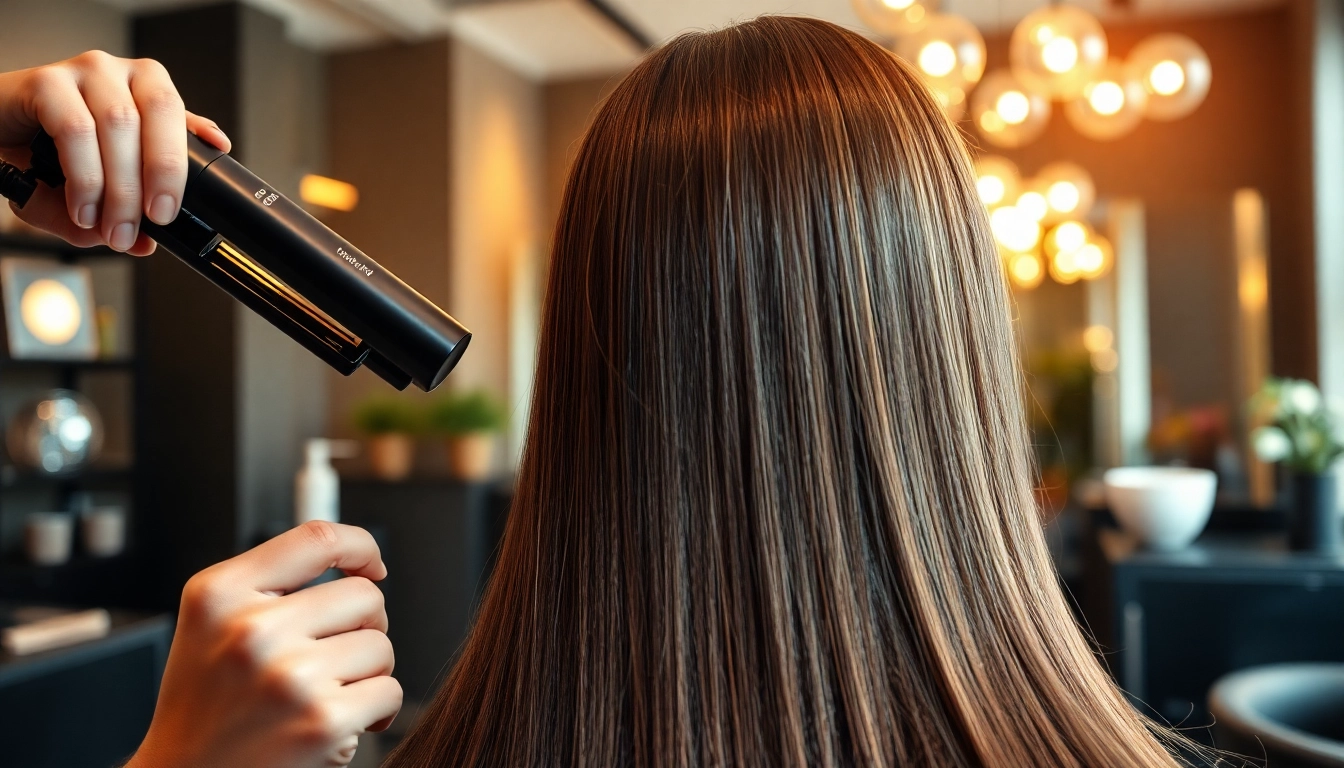
When applying heat, section your hair into manageable parts to ensure even straightening. Start with the lower sections, working your way up. Gradually place the flat iron close to the roots and slowly glide it down the hair shaft. It is advisable to pass the iron through each section no more than 2-3 times to minimize heat exposure. Adjust the temperature based on your hair type, ensuring you hold the flat iron steady to avoid crimping. For those using a blow dryer, use a comb attachment to create smoothness while directing the heat downwards to reduce frizz.
Aftercare to Maintain Straightened Hair
After achieving your desired look, proper aftercare is vital for maintaining straightened hair. Use sulfate-free shampoos and moisturizing conditioners to prolong the effects of straightening. Avoid excessive washing, as this can strip the hair of products that offer protection. Incorporate weekly deep conditioning treatments to keep the hair healthy and hydrated. Additionally, consider using silk or satin pillowcases while sleeping, as they reduce friction and help maintain straighter styles.
Troubleshooting Common Hair Straightening Issues
Dealing with Frizzy Hair Post-Straightening
If you experience frizz after straightening, it may result from humidity or improper product application. To combat this, use anti-frizz serums or creams after straightening to seal moisture and provide a smooth finish. Additionally, minimize exposure to humidity by avoiding outdoor activities on especially humid days and consider using a light hairspray for added hold.
How to Fix Uneven Straightening Results
Uneven straightening can occur due to rushing or using inadequate techniques. If sections of your hair remain curly or wavy, simply re-run the flat iron over those areas, ensuring the iron is at the proper temperature. For precision, isolate the stubborn strands and take a small subsection to work on, allowing for better control.
The Importance of Proper Technique
Proper technique is crucial in achieving a flawless straightened look. Make sure to use the right tools and follow steps meticulously, including sectioning and heat application techniques. A steady hand and practice will yield the best results, so taking the time to refine your skills is beneficial in the long run. Knowledge about the right temperature settings is equally important, as using excessively high temperatures can lead to irreversible damage.
Frequently Asked Questions About Hair Straightening
How often can I safely straighten my hair?
While there is no one-size-fits-all answer, it is generally advisable to limit heat straightening to once or twice a week to minimize damage. Always use a heat protectant.
What products should I use for hair protection?
Invest in a high-quality heat protectant spray or serum designed for your hair type. Additionally, consider using leave-in conditioners or oils to maintain moisture levels.
Is chemical hair straightening safe for my hair?
Chemical straightening must be conducted carefully, as it can damage hair if misapplied. Always consult a professional stylist who understands your hair type and condition.
Can I achieve hair straightening without heat?
Yes, several methods such as keratin treatments or using anti-frizz products can help achieve straighter hair without applying heat. Results vary based on hair type.
How do I prevent damage when straightening my hair?
To minimize damage, always use a heat protectant, opt for appropriate heat settings for your hair type, and avoid frequent straightening. Regular deep conditioning treatments also help.